
Pink Eye (Conjunctivitis)
Inflammation of the conjunctiva, the transparent membrane covering the white of the eye. Pink eye can result from viral or bacterial infections, allergies, foreign objects, or chemical exposure, causing redness, itching, and discharge.
Schedule Same-Day AppointmentWhat is Pink Eye?
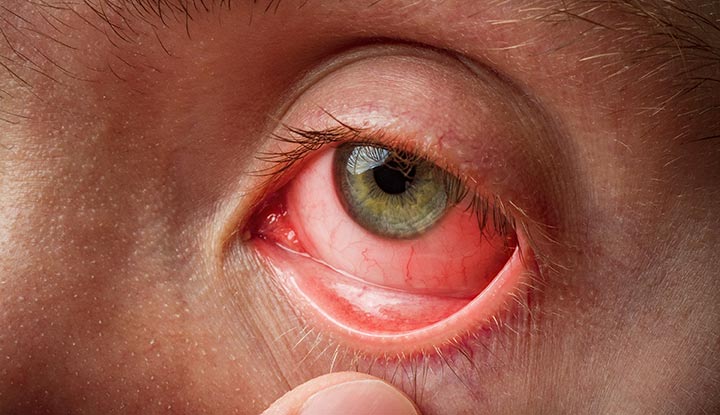
Pink eye, medically known as conjunctivitis, is inflammation of the conjunctiva—the thin, transparent membrane that covers the white part of the eye and lines the inner eyelids. This highly visible inflammation gives the eye its characteristic pink or red appearance.
Pink eye is one of the most common eye conditions, affecting millions of people each year across all age groups. While usually not serious, it can be extremely uncomfortable and contagious depending on the cause.
The key to successful treatment is determining the underlying cause—viral, bacterial, allergic, chemical, or foreign object—as each requires different management approaches. Early diagnosis and appropriate treatment prevent complications and speed recovery.
Common Symptoms
Eye redness or bloodshot appearance
Itching or burning sensation in the eye
Gritty feeling in the eye
Excessive tearing or watery discharge
Thick, sticky discharge (especially in morning)
Crusting of eyelids
Swelling of eyelids
Eye pain or discomfort
Sensitivity to light (photophobia)
Blurred vision
Foreign body sensation
Difficulty opening eyes upon waking
Types of Pink Eye
Pink eye is classified by its underlying cause. Each type has distinct characteristics, contagiousness, and treatment requirements.
Viral Conjunctivitis
Prevalence: 50-80%
Cause: Viral infection (adenovirus most common)
Contagiousness: Highly contagious
Discharge: Clear to slightly mucoid watery discharge
Symptoms: Watery discharge, red eyes, mild pain, photophobia
Duration: Usually resolves in 7-14 days
Treatment: Supportive care; artificial tears, cool compresses
Bacterial Conjunctivitis
Prevalence: 20-50%
Cause: Bacterial infection (Staph, Strep, Haemophilus)
Contagiousness: Very contagious
Discharge: Thick, yellow or greenish discharge
Symptoms: Purulent discharge, crusting, redness, mild discomfort
Duration: Resolves in 5-7 days with antibiotics
Treatment: Antibiotic eye drops or ointment
Allergic Conjunctivitis
Prevalence: 10-30%
Cause: Allergic reaction to pollen, pet dander, dust, etc.
Contagiousness: Not contagious
Discharge: Clear to slightly stringy watery discharge
Symptoms: Intense itching, watery discharge, redness, swelling
Duration: Persists as long as allergen exposure continues
Treatment: Antihistamine drops, avoidance of allergen
Chemical Conjunctivitis
Prevalence: <5%
Cause: Exposure to chemicals, chlorine, or irritants
Contagiousness: Not contagious
Discharge: Watery discharge with possible inflammation
Symptoms: Severe burning, tearing, redness, pain
Duration: Depends on irritant; usually hours to days
Treatment: Copious irrigation, removal of irritant
Foreign Body Conjunctivitis
Prevalence: <5%
Cause: Foreign object in eye (dust, debris, contact lens)
Contagiousness: Not contagious unless secondarily infected
Discharge: Watery or clear discharge with possible blood
Symptoms: Sharp pain, tearing, redness, sensation of object
Duration: Resolves once object removed
Treatment: Removal of foreign object, saline rinse
What Causes Pink Eye?
Pink eye can result from numerous infectious and non-infectious causes. Identifying the specific cause guides treatment selection.
Adenovirus
Type: Viral
Most common viral cause; highly contagious
Transmission: Respiratory droplets, direct contact
Contagion Period: 7-14 days
Enterovirus
Type: Viral
Causes epidemic conjunctivitis
Transmission: Fecal-oral route, direct contact
Contagion Period: Variable, usually 3-7 days
Herpes Simplex Virus
Type: Viral
Can cause severe keratitis and corneal involvement
Transmission: Contact with infected fluid
Contagion Period: Until lesions crust over
Staphylococcus aureus
Type: Bacterial
Common bacterial cause; may be antibiotic resistant
Transmission: Direct contact, contaminated objects
Contagion Period: Until treated, usually 48 hours with antibiotics
Streptococcus pneumoniae
Type: Bacterial
Less common; can cause severe infection
Transmission: Respiratory droplets, direct contact
Contagion Period: Until treated, usually 48 hours with antibiotics
Haemophilus influenzae
Type: Bacterial
Common in children; may be antibiotic resistant
Transmission: Respiratory droplets, direct contact
Contagion Period: Until treated, usually 48 hours with antibiotics
Neisseria gonorrhoeae
Type: Bacterial
Sexually transmitted; severe purulent discharge
Transmission: Sexual contact; neonatal infection during delivery
Contagion Period: Until treated with systemic antibiotics
Seasonal Allergies
Type: Allergic
Pollen-induced conjunctivitis during spring/summer
Transmission: Environmental exposure to allergens
Contagion Period: N/A; non-contagious
Perennial Allergies
Type: Allergic
Year-round allergies from dust, pet dander, mold
Transmission: Environmental exposure to allergens
Contagion Period: N/A; non-contagious
Vernal Keratoconjunctivitis
Type: Allergic
Severe allergic inflammation; more common in children
Transmission: Environmental allergen exposure
Contagion Period: N/A; non-contagious
Chlorine Exposure
Type: Chemical
Swimming pool exposure causing irritation
Transmission: Environmental chemical exposure
Contagion Period: N/A; non-contagious
Acid or Alkali Burns
Type: Chemical
Severe chemical injury requiring emergency care
Transmission: Accidental chemical exposure
Contagion Period: N/A; non-contagious
Who is at Risk for Pink Eye?
Certain factors increase the likelihood of developing conjunctivitis. Understanding your risk helps with prevention.
Age (Young Children)
Children are more susceptible to viral and bacterial conjunctivitis
Close Contact Exposure
Living with or caring for someone with conjunctivitis increases risk
Poor Hand Hygiene
Touching eyes with contaminated hands spreads infection
Shared Personal Items
Sharing towels, pillows, or eye makeup increases transmission
Contact Lens Use
Improper care or contaminated solution increases bacterial infection risk
Eye Makeup
Old or contaminated makeup can harbor bacteria
Crowded Environments
Schools, daycare, and offices increase exposure to contagious infections
Seasonal Allergies
History of allergies increases allergic conjunctivitis risk
Atopic Dermatitis
Patients with atopic conditions have increased allergic conjunctivitis risk
Occupational Exposure
Certain occupations have increased chemical or irritant exposure
Eye Surgery or Trauma
Recent eye procedures or injury increase infection risk
Immunosuppression
Weakened immune system increases severity and duration of infection
Sexually Active
Risk factor for gonococcal conjunctivitis through sexual transmission
Newborn Status
Neonates at risk for gonococcal infection during birth
Swimming
Exposure to contaminated water increases bacterial and viral conjunctivitis risk
Understanding Severity
Pink eye ranges from mild irritation to vision-threatening emergency. Severity helps guide appropriate care.
Potential Complications
While most cases of pink eye resolve without complications, serious infections can lead to vision-threatening conditions if not properly treated.
Keratitis
Description: Inflammation of the cornea
Cause: Spread of infection from conjunctiva to cornea
Symptoms: Severe pain, photophobia, vision loss, corneal clouding
Severity: Vision-threatening; requires urgent treatment
Treatment: Intensive antibiotic therapy; ophthalmology referral mandatory
Outcome: Can cause permanent vision loss if untreated
Corneal Ulceration
Description: Open sore on the cornea
Cause: Severe bacterial infection or HSV corneal involvement
Symptoms: Severe pain, photophobia, discharge, vision loss
Severity: Medical emergency; threatens vision
Treatment: Urgent ophthalmology evaluation; intensive antibiotics/antivirals
Outcome: Risk of permanent scarring and vision loss
Anterior Uveitis
Description: Inflammation of the iris and interior eye structures
Cause: Severe infection spreading to anterior chamber
Symptoms: Eye pain, photophobia, floaters, vision changes
Severity: Vision-threatening; requires specialist care
Treatment: Ophthalmology referral; anti-inflammatory medications
Outcome: Can affect vision; requires close monitoring
Preseptal Cellulitis
Description: Bacterial infection of eyelid and surrounding tissues
Cause: Severe bacterial conjunctivitis with spread to lid tissues
Symptoms: Eyelid swelling, warmth, redness, possible fever
Severity: Serious infection; requires systemic antibiotics
Treatment: Systemic antibiotics; warm compresses; possible hospitalization
Outcome: Good with prompt treatment; prevents orbital cellulitis
Orbital Cellulitis
Description: Bacterial infection of tissues within eye socket
Cause: Severe infection spreading to orbital tissues
Symptoms: Severe pain, vision loss, eye protrusion, fever, systemic symptoms
Severity: Medical emergency; vision and life-threatening
Treatment: Immediate hospitalization; IV antibiotics; possible imaging
Outcome: Can cause permanent vision loss or death if untreated
Adhesions
Description: Scarring between eyelid and eyeball
Cause: Severe inflammation and healing with scarring
Symptoms: Limited eye movement, sensation of stiffness
Severity: Chronic condition affecting comfort
Treatment: Prevention with good eyelid care; surgical separation if severe
Outcome: Usually manageable; surgery may be needed for severe cases
Dacryocystitis
Description: Infection of the tear duct
Cause: Infection spreading to lacrimal gland/duct
Symptoms: Pain, swelling inner corner of eye, purulent discharge
Severity: Requires antibiotic treatment
Treatment: Antibiotics; warm compresses; possible drainage
Outcome: Good response to treatment; prevents abscess formation
Endophthalmitis
Description: Inflammation of internal eye structures
Cause: Severe infection spreading to vitreous and retina
Symptoms: Severe pain, significant vision loss, floaters, flashing lights
Severity: Vision-threatening medical emergency
Treatment: Immediate vitreous cultures; intravitreal antibiotics; possible surgery
Outcome: High risk of permanent vision loss; may require enucleation
How Pink Eye is Diagnosed
Accurate diagnosis determines the cause of pink eye and guides appropriate treatment. Our physicians use multiple diagnostic methods.
Visual Examination
Assessment of eye appearance, redness distribution, discharge characteristics
Lid Eversion
Examination of upper inner eyelid for foreign objects or papillary reaction
Fluorescein Staining
Dye reveals corneal abrasions or ulcerations; visualizes damage pattern
Eye Culture
Bacterial culture identifies causative organism and antibiotic sensitivity
Viral PCR
Detects viral DNA; rapid confirmation of viral conjunctivitis
Gram Stain
Quick identification of bacterial characteristics (gram positive vs negative)
Giemsa Staining
Identifies viral inclusions and white blood cell types in discharge
Tonometry
Intraocular pressure measurement if glaucoma suspected
Visual Acuity Testing
Assessment of vision changes indicating corneal involvement
Slit Lamp Examination
Magnified examination reveals corneal and anterior chamber involvement
Treatment Options
Treatment depends on the underlying cause of pink eye. Appropriate therapy provides rapid relief and prevents complications.
Antibiotic Eye Drops
Topical antibiotics treating bacterial conjunctivitis
Indication: Confirmed or suspected bacterial infection
Frequency: Usually 4-6 times daily for 5-7 days
Effectiveness: Highly effective; clears symptoms in 2-3 days
Continue full course even if symptoms improve to prevent resistance
Antibiotic Ointment
Topical antibiotic ointment for eyelid application
Indication: Bacterial conjunctivitis, especially in children
Frequency: Typically 3-4 times daily in lower lid
Effectiveness: Effective; lubricates while treating
Applied at bedtime may provide overnight comfort and treatment
Antihistamine Eye Drops
Topical antihistamines reducing allergic response
Indication: Allergic conjunctivitis with itching and redness
Frequency: Usually 2-4 times daily as needed
Effectiveness: Rapid relief of itching; improves redness within hours
Over-the-counter options available; prescription strength for severe cases
Mast Cell Stabilizers
Prevent release of inflammatory mediators
Indication: Allergic conjunctivitis, vernal keratoconjunctivitis
Frequency: Typically 4 times daily
Effectiveness: Prevents symptoms; works best with regular use
May take several days for full effect; preventive therapy
Decongestant Eye Drops
Reduces redness by constricting blood vessels
Indication: Mild to moderate redness and minor irritation
Frequency: Usually 2-4 times daily
Effectiveness: Quick redness reduction; cosmetic improvement
Use sparingly; rebound redness with prolonged use; not for children
Lubricating Eye Drops
Artificial tears and lubricants soothing irritation
Indication: All types of conjunctivitis; supportive care
Frequency: Hourly or as needed for comfort
Effectiveness: Provides comfort; helps flush irritants and bacteria
Preservative-free formulations recommended for frequent use
Cold Compresses
Cool compress application reducing inflammation
Indication: All types of conjunctivitis for symptom relief
Frequency: 15-20 minutes, 3-4 times daily
Effectiveness: Reduces inflammation, itching, and discomfort
Apply cold compress; never apply ice directly to eyelid
Saline Irrigation
Copious saline rinse flushing eye of irritants
Indication: Chemical exposure, foreign object, discharge removal
Frequency: Immediate for chemical exposure; multiple times daily otherwise
Effectiveness: Essential for chemical exposure; removes bacteria and irritants
Critical for chemical burns; irrigation should be immediate and copious
Systemic Antibiotics
Oral or IV antibiotics for severe infections
Indication: Severe bacterial infection, orbital cellulitis, gonococcal infection
Frequency: Depends on antibiotic; typically 7-10 days
Effectiveness: Treats systemic infection preventing spread
Reserved for serious infections; ophthalmology involvement recommended
Antiviral Therapy
Antiviral agents for herpes simplex conjunctivitis
Indication: HSV conjunctivitis or keratitis
Frequency: Topical: hourly to 6 times daily; oral: per prescription
Effectiveness: Slows viral replication; speeds resolution
Mandatory ophthalmology referral; prevents serious corneal involvement
Most Pink Eye Cases Resolve Quickly: The vast majority of pink eye cases resolve within 1-2 weeks with appropriate treatment. Viral conjunctivitis is self-limiting, bacterial infections respond well to antibiotics, and allergic cases improve with antihistamine therapy. Early diagnosis and treatment speed recovery and reduce complications.
Home Care Tips
Proper home care supports medical treatment, provides comfort, and prevents spreading infection to others.
Clean eyelids gently with warm, clean washcloth
Remove discharge gently with sterile gauze or cotton ball
Apply cold compress for 15-20 minutes, 3-4 times daily
Use artificial tears hourly for comfort
Avoid wearing contact lenses until infection clears
Do not wear eye makeup during infection
Wash hands before and after touching eyes
Use separate washcloths for each eye to prevent spread
Wash all bedding, pillowcases in hot water
Avoid touching or rubbing infected eye
Do not share towels, pillows, or personal items
Avoid pools and hot tubs until infection clears
Minimize outdoor time during high pollen count (allergies)
Use prescribed eye drops exactly as directed
Seek care if symptoms persist beyond 5-7 days
How to Prevent Pink Eye
Simple hygiene and lifestyle measures significantly reduce your risk of developing pink eye and transmitting it to others.
Wash hands frequently with soap and water
Never touch or rub eyes with contaminated hands
Avoid sharing personal eye care items (towels, pillows, eye makeup)
Do not share contact lenses, cases, or solution bottles
Remove contact lenses if conjunctivitis develops
Replace eye makeup and applicators after infection resolves
Disinfect contact lens case daily
Use fresh contact lens solution; never reuse old solution
Follow contact lens care instructions meticulously
Keep distance from people with known conjunctivitis
Protect eyes from chemical exposure with proper eyewear
Wear sunglasses and hats to reduce environmental irritants
Use air filters in home to reduce dust and allergens
Shower after swimming to remove chlorine and bacteria
Maintain good general hygiene during allergy season
When to Seek Medical Care
Certain symptoms require immediate professional evaluation. Don't delay if you experience these warning signs.
Vision Loss
Significant blur or vision changes require immediate evaluation
Severe Eye Pain
Pain beyond mild discomfort suggests corneal involvement
Photophobia
Severe light sensitivity may indicate keratitis or anterior uveitis
Chemical Splash
Any chemical exposure requires immediate copious irrigation and ER evaluation
Corneal Symptoms
Haziness, clouding, or loss of clarity suggests corneal involvement
Eyelid Swelling
Significant edema with redness may indicate cellulitis
High Fever with Eye Pain
Fever with severe eye symptoms suggests serious infection
No Improvement After 5 Days
Persistent or worsening symptoms after 5 days require evaluation
Pink Eye is Treatable and Usually Not Serious: With millions of cases occurring each year, pink eye is extremely common but rarely causes permanent vision problems when properly treated. The key is identifying the underlying cause and initiating appropriate therapy quickly.
Whether viral, bacterial, allergic, or chemical in nature, our experienced physicians can diagnose your condition and provide effective treatment. Most cases resolve within 1-2 weeks, and our goal is to provide rapid symptom relief while preventing complications.
At MyDoc Urgent Care, we offer same-day appointments for pink eye evaluation and treatment. Don't suffer with uncomfortable eyes—schedule your appointment today at one of our convenient locations in Forest Hills, East Meadow, Brooklyn, Bronx, Jackson Heights, or Little Neck.