Skin Health

Dermatology Services

Comprehensive skin, hair, and nail care from board-certified dermatologists. We diagnose and treat all common and complex skin conditions with personalized treatment plans tailored to your specific needs.

Schedule Dermatology Appointment
Understanding

Why Skin Health Matters

Your skin is your body's largest organ and its first line of defense against environmental threats. It protects your internal organs, regulates temperature, and plays a crucial role in your overall health and well-being.

Skin conditions affect 84 million Americans annually and range from minor cosmetic concerns to serious medical conditions. The American Academy of Dermatology recommends a detailed skin examination every year to maintain healthy skin.

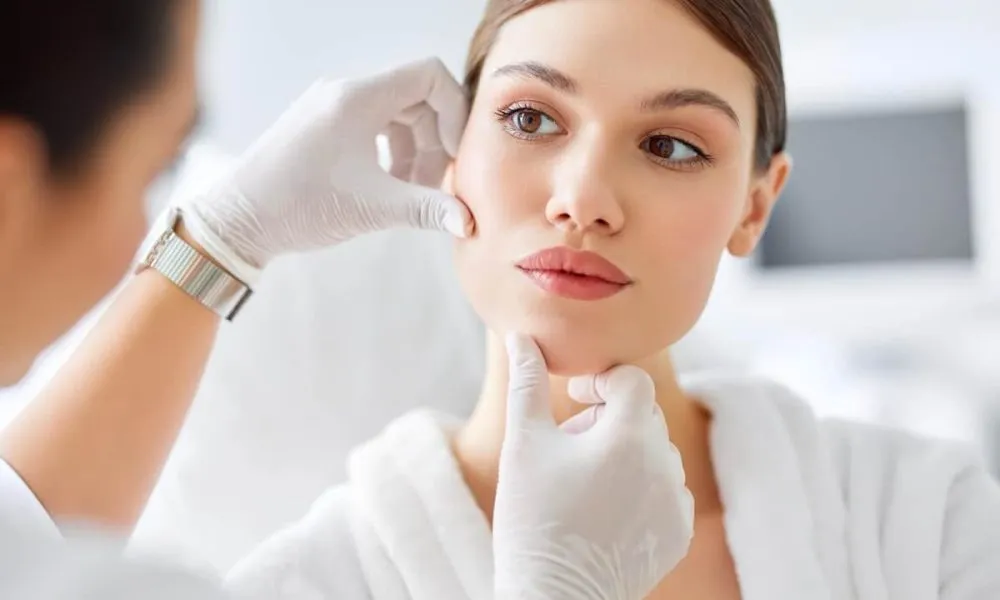
At MyDoc Urgent Care, our board-certified dermatologists and experienced staff provide comprehensive skin care services. We diagnose and treat all common skin conditions with personalized treatment plans tailored to your specific needs.

Whether you're dealing with acne, infections, aging concerns, or skin cancer screening, we're here to help you achieve healthy, clear skin.

Common Issues

Conditions We Treat

Acne and acne scars

Eczema and dermatitis

Psoriasis

Rashes and urticaria

Fungal infections

Bacterial infections (cellulitis)

Viral infections (shingles, warts)

Moles and skin growths

Skin cancer screening

Hair loss (alopecia)

Nail disorders

Pigmentation disorders

Detailed Information

Common Skin Conditions

Understanding your skin condition helps guide treatment decisions. Here's detailed information on conditions we treat.

1

Acne

Category: Common Inflammatory Condition

Description: A chronic inflammatory skin disorder affecting hair follicles and sebaceous glands

Causes: Oil (sebum) accumulation, dead skin cells, bacteria (Cutibacterium acnes), clogged pores, hormonal changes

Types: Blackheads, whiteheads, papules, pustules, nodules, cysts

Risk Factors: Hormonal changes, genetics, stress, diet (high glycemic foods, dairy), puberty, PCOS, medications

Treatment: Topical retinoids, benzoyl peroxide, antibiotics, hormonal therapy, isotretinoin for severe cases

Prevention: Regular cleansing, non-comedogenic products, stress management, balanced diet, sun protection

2

Rashes

Category: Skin Reaction Disorders

Description: Inflammatory skin reactions characterized by redness, itching, irritation, or blistering

Causes: Allergic reactions, heat, sunburn, infection, contact dermatitis, friction, insect bites

Types: Contact dermatitis, heat rash, drug rash, viral exanthems, fungal rashes, bacterial infections

Risk Factors: Sensitive skin, history of atopy, allergen exposure, poor hygiene, immunosuppression

Treatment: Identify and avoid triggers, topical corticosteroids, antihistamines, moisturizers, antibiotics if infected

Prevention: Avoid known irritants/allergens, protective clothing, skin barrier protection, proper hygiene

3

Eczema (Atopic Dermatitis)

Category: Chronic Inflammatory Condition

Description: Chronic inflammatory skin condition causing intense itching, redness, and impaired skin barrier

Causes: Genetic predisposition, immune dysfunction, environmental triggers, skin barrier defects

Types: Atopic dermatitis, contact dermatitis, seborrheic dermatitis, nummular dermatitis, dyshidrotic eczema

Risk Factors: Family history of atopy, early childhood onset, dry skin, stress, allergen exposure, environmental factors

Treatment: Skin barrier repair, topical corticosteroids/calcineurin inhibitors, antihistamines, systemic immunosuppressants

Prevention: Skin care routine, stress management, allergen avoidance, humidity control, gentle cleansing

4

Psoriasis

Category: Autoimmune Skin Disorder

Description: Chronic autoimmune condition causing rapid skin cell turnover resulting in thick, scaly plaques

Causes: Genetic predisposition, immune dysfunction, environmental triggers (infection, stress, trauma, medications)

Types: Plaque psoriasis (80%), guttate, inverse, pustular, erythrodermic psoriasis

Risk Factors: Family history, stress, infections (streptococcal), trauma, medications, alcohol, smoking

Treatment: Topical agents, phototherapy, systemic medications, biologics for moderate-severe disease

Prevention: Stress management, infection avoidance, trigger identification, smoking cessation, weight management

5

Hives (Urticaria)

Category: Acute Allergic Reaction

Description: Sudden appearance of itchy wheals/welts as allergic or inflammatory reaction

Causes: IgE-mediated allergies (food, medication, insect bites), non-IgE triggers (temperature, pressure, sun exposure)

Types: Acute urticaria (<6 weeks), chronic urticaria (>6 weeks), physical urticaria (cold, heat, pressure)

Risk Factors: History of atopy, genetic predisposition, autoimmune disorders, female gender, middle age

Treatment: Identify/avoid triggers, antihistamines (H1 and H2), corticosteroids, cyclosporine for chronic cases

Prevention: Allergen avoidance, medication awareness, trigger identification, emergency preparedness if anaphylaxis risk

6

Shingles (Herpes Zoster)

Category: Viral Infection

Description: Reactivation of varicella zoster virus (chickenpox virus) causing painful dermatomal rash

Causes: Reactivation of latent VZV after chickenpox; triggered by immunosuppression, stress, age, other infections

Types: Typical dermatomal distribution; ophthalmic (eye), auricular (ear), other single dermatomal involvement

Risk Factors: Age >50, immunosuppression (HIV, malignancy, medications), stress, local trauma, prior shingles

Treatment: Antivirals (acyclovir, valacyclovir, famciclovir) within 72 hours, pain management, postherpetic neuralgia prevention

Prevention: Vaccination (Shingrix - highly effective 90%), immunosuppression management, stress reduction

7

Cellulitis

Category: Bacterial Infection

Description: Acute bacterial infection of dermis and subcutaneous tissues; medical emergency if spreading

Causes: Streptococcus pyogenes, Staphylococcus aureus (including MRSA); requires break in skin barrier

Types: Non-purulent, purulent (abscess), periorbital, perianal, other specific locations

Risk Factors: Skin breaks (trauma, surgery, burns), obesity, venous/lymphatic insufficiency, diabetes, immunosuppression

Treatment: Antibiotics (oral for mild, IV for severe), elevation, pain management, drain if abscess, address underlying causes

Prevention: Wound care, infection control, skin integrity maintenance, lymphedema management, treat skin breaks promptly

8

Cysts

Category: Benign Growths

Description: Abnormal pockets of tissue filled with fluid, oil, or pus; usually benign but may require removal

Causes: Blocked glands/follicles, developmental abnormalities, trauma, inflammation

Types: Epidermoid cysts, pilar cysts, lipomas, ganglion cysts, sebaceous cysts, others

Risk Factors: Poor hygiene, trauma, genetics, pilar cyst family history, blocked follicles, previous inflammation

Treatment: Observation if asymptomatic, intralesional steroid injection, incision and drainage if infected, surgical excision

Prevention: Good hygiene, gentle handling, avoid squeezing, proper wound care after trauma

9

Fungal Infections

Category: Infectious Skin Disorders

Description: Infections caused by dermatophytes, yeasts, or non-dermatophyte molds

Causes: Dermatophytes (tinea), Candida (candidiasis), Malassezia (pityriasis versicolor), others

Types: Tinea pedis (athlete's foot), tinea corporis (ringworm), tinea cruris, onychomycosis, candidiasis, pityriasis versicolor

Risk Factors: Warm/moist environment, poor hygiene, immunosuppression, diabetes, obesity, tight clothing, shared facilities

Treatment: Topical antifungals (first-line), systemic antifungals (oral, IV for severe), environmental control

Prevention: Keep skin dry, wear breathable clothing, public shower shoes, nail hygiene, immune health, moisture control

10

Moles and Skin Growths

Category: Neoplasms

Description: Benign and potentially malignant skin growths requiring evaluation and monitoring

Causes: Genetic predisposition, sun exposure, age, hormonal factors (pregnancy, contraceptives)

Types: Common nevi, dysplastic nevi, seborrheic keratosis, hemangiomas, lipomas, skin tags, others

Risk Factors: Fair skin, family history of melanoma, high nevus count, atypical nevi, sun exposure, immunosuppression

Treatment: Clinical monitoring, dermoscopy evaluation, biopsy if concerning, surgical excision if needed or desired

Prevention: Sun protection, self-examination (ABCDE rule), professional screening annually

11

Skin Cancer

Category: Malignant Neoplasm

Description: Malignant skin tumors requiring urgent diagnosis, staging, and treatment

Causes: UV radiation (primary risk factor), genetic predisposition, immunosuppression, viral infections, chemicals

Types: Basal cell carcinoma (80%), squamous cell carcinoma (16%), melanoma (4%), others

Risk Factors: Fair skin, intense/cumulative sun exposure, family history, immunosuppression, PUVA therapy, radiation

Treatment: Surgical excision (gold standard), Mohs micrographic surgery, radiation, chemotherapy, immunotherapy, targeted therapy

Prevention: Sun protection (SPF 30+), UV avoidance, protective clothing, annual skin exams, self-monitoring

12

Hair Loss (Alopecia)

Category: Hair Disorder

Description: Abnormal hair loss with multiple etiologies; significantly impacts quality of life

Causes: Genetic predisposition, autoimmune (alopecia areata), medical conditions, medications, stress, nutritional deficiency

Types: Androgenetic alopecia, alopecia areata, telogen effluvium, anagen effluvium, cicatricial alopecia, others

Risk Factors: Male gender, family history, age, stress, hormonal changes, medical conditions, certain medications

Treatment: Minoxidil, finasteride, platelet-rich plasma, hair transplantation, topical corticosteroids (areata), addressing underlying causes

Prevention: Stress management, nutritional optimization, protect from trauma, address medical conditions, consider prophylaxis

13

Nail Disorders

Category: Nail Pathology

Description: Various nail conditions affecting appearance and function; may indicate systemic disease

Causes: Fungal infection, trauma, psoriasis, lichen planus, systemic disease, medications, nutritional deficiency

Types: Onychomycosis (fungal), psoriatic nails, onycholysis, paronychia, nail dystrophy, discoloration, others

Risk Factors: Age, nail trauma, fungal exposure, immunosuppression, systemic disease, poor circulation

Treatment: Topical/systemic antifungals (fungal), corticosteroids (psoriasis/lichen planus), nail care, addressing underlying conditions

Prevention: Nail hygiene, trauma avoidance, moisture control, public pool/shower footwear, treating infections promptly

Risk Factors

Who is at Risk for Skin Problems?

Certain factors increase the likelihood of developing skin conditions. Understanding your risks helps guide prevention and early detection strategies.

Fair/Light Skin

Less protective melanin increases UV damage and skin cancer risk

Family History

Genetic predisposition to skin conditions, melanoma, and early aging

Sun Exposure

Cumulative UV exposure causes aging, damage, and skin cancer development

Age

Skin conditions and skin cancer risk increase significantly with age

Immunosuppression

Weakened immunity increases infection, cancer, and severe skin disease risk

Occupational Exposure

Work in outdoor or chemical environments increases skin disease risk

Atopic History

History of eczema, asthma, allergies increases dermatitis and infection risk

Smoking

Smoking impairs wound healing and increases skin cancer and premature aging

Poor Hygiene

Inadequate skin care increases infection and fungal disease risk

Warm/Moist Environment

Humid climates and perspiration increase fungal and bacterial infections

Hormonal Changes

Puberty, menstrual cycle, pregnancy, menopause affect acne and other conditions

Stress

Psychological stress worsens psoriasis, eczema, acne, and hair loss

Diagnosis

How We Diagnose Skin Conditions

Accurate diagnosis combines clinical expertise with advanced diagnostic tools. Our dermatologists use multiple methods to identify your condition and guide treatment.

Clinical Examination

Visual inspection and palpation of skin, noting color, texture, distribution, morphology

Dermoscopy

Handheld magnification device revealing subsurface structures; essential for mole evaluation

Wood's Lamp Examination

Ultraviolet light revealing fungal infections, pigmentary disorders, and bacterial infections

KOH Preparation

Microscopic examination of skin scales or nail debris for fungal elements

Fungal Culture

Laboratory culture identifying specific fungal organisms and antifungal sensitivities

Bacterial Culture

Identifies pathogenic bacteria and antibiotic sensitivities for infections

Viral Culture/PCR

Detects viral infections (herpes zoster, herpes simplex) by PCR or culture

Skin Biopsy

Tissue sample for histopathological diagnosis of uncertain lesions or malignancies

Allergy Patch Testing

Identifies contact allergens causing dermatitis; essential for contact dermatitis diagnosis

Photography/Monitoring

Serial photographic documentation tracking lesion changes and treatment response

Treatment

Treatment Options

Treatment is personalized based on your specific condition, severity, skin type, and preferences. We offer multiple options from topical treatments to advanced systemic therapies.

Corticosteroids

Category: Topical Treatments

Indication: Inflammation, dermatitis, psoriasis, lichen planus

Frequency: Once to twice daily depending on potency and condition

Effectiveness: Rapid anti-inflammatory effect; 70-90% efficacy for responsive conditions

Duration: Short-term for face/sensitive areas; can be longer for body

First-line for many inflammatory conditions; steroid-sparing when possible

Retinoids

Category: Topical Treatments

Indication: Acne, photoaging, fine lines, dyspigmentation

Frequency: Usually nightly; start low frequency to minimize irritation

Effectiveness: Highly effective for acne and photoaging; 60-80% improvement

Duration: Long-term for maintenance; 12+ weeks for visible improvement

Gold standard for acne; start low concentration and gradually increase

Antifungals

Category: Topical Treatments

Indication: Fungal infections (tinea, candidiasis)

Frequency: Once to twice daily

Effectiveness: 80-90% efficacy for dermatophyte infections; variable for candida

Duration: 2-4 weeks typically; longer for nail fungus

First-line for localized fungal infections; environmental control essential

Antibiotics

Category: Topical Treatments

Indication: Bacterial infections, acne

Frequency: Once to twice daily

Effectiveness: 90-95% for superficial bacterial infections

Duration: 7-14 days for bacterial infection; longer for acne

Increasingly combined with benzoyl peroxide to prevent resistance

Oral Antibiotics

Category: Systemic Medications

Indication: Moderate acne, cellulitis, other bacterial infections

Frequency: Once to twice daily

Effectiveness: 70-80% for moderate acne; 90-95% for bacterial infection

Duration: 8-12 weeks for acne; 7-14 days for infection

Combine with topical retinoid and benzoyl peroxide for acne

Antivirals

Category: Systemic Medications

Indication: Herpes zoster (shingles), herpes simplex

Frequency: Multiple times daily

Effectiveness: 90% effective in reducing duration and severity if started early

Duration: 7-10 days for acute infection

Critical for early treatment to prevent postherpetic neuralgia

Oral Antifungals

Category: Systemic Medications

Indication: Extensive fungal infections, onychomycosis, resistant cases

Frequency: Once to twice daily

Effectiveness: 70-90% cure rate for onychomycosis; higher for dermatophytes

Duration: 2-13 weeks depending on agent and indication

Terbinafine preferred for dermatophyte infections

Isotretinoin

Category: Systemic Medications

Indication: Severe acne unresponsive to conventional therapy

Frequency: Once to twice daily

Effectiveness: 90% cure/long-term remission; preventive of scarring

Duration: 16-24 weeks of therapy

Definitive treatment for severe acne; requires careful patient selection

TNF Inhibitors/Biologics

Category: Biologic & Systemic Immunosuppressants

Indication: Moderate-severe psoriasis, severe eczema

Frequency: Variable based on agent (weekly to monthly)

Effectiveness: 75-90% significant improvement; rapid onset

Duration: Ongoing for maintenance

Game-changing for severe disease; careful patient selection and monitoring

Phototherapy

Category: Phototherapy

Indication: Psoriasis, eczema, vitiligo, other conditions

Frequency: 2-3 times weekly

Effectiveness: 60-80% improvement for psoriasis; variable for other conditions

Duration: 8-16 weeks; ongoing for maintenance

Excellent option for widespread disease; requires consistent attendance

Personalized Treatment Plans: Our dermatologists develop individualized treatment plans based on your specific condition, skin type, medical history, and goals.

Multiple Options: From topical treatments to advanced biologics and phototherapy, we have solutions for all skin conditions and severity levels.

Prevention

Skin Health Prevention

Prevention is the best medicine. These evidence-based strategies help protect your skin and prevent disease development.

Apply broad-spectrum SPF 30+ sunscreen daily; reapply every 2 hours with water exposure

Seek shade during peak sun hours (10 AM - 4 PM)

Wear protective clothing (long sleeves, hats, UV-blocking sunglasses)

Avoid tanning beds and artificial UV exposure completely

Check skin monthly using ABCDE rule; annual professional skin exam

Maintain healthy lifestyle: balanced diet, adequate hydration, regular exercise

Manage stress through meditation, yoga, exercise, or counseling

Don't smoke; if you smoke, seek cessation support

Keep skin clean but not over-washed; use gentle, non-comedogenic products

Maintain proper hygiene in shared spaces (showers, pools, gym equipment)

Treat skin breaks and wounds promptly to prevent infection

Keep skin properly hydrated with appropriate moisturizers

Avoid known allergens and irritants; patch test new products

Address underlying medical conditions (diabetes, immunosuppression)

Sleep 7-9 hours nightly; poor sleep worsens inflammation and infections

Self Care

At-Home Skin Care Tips

Proper home care supports professional treatment and maintains skin health between appointments.

Establish consistent skincare routine: cleanse, moisturize, protect with sunscreen

Use gentle, fragrance-free products; avoid harsh scrubbing

Take lukewarm (not hot) showers; hot water damages skin barrier

Pat skin dry gently; apply moisturizer to damp skin

Apply topical medications exactly as prescribed; don't skip doses

Keep affected areas clean and dry to prevent secondary infection

Avoid scratching or picking at lesions; use stress management for itch

Wear breathable, clean clothing; change immediately if damp from sweat

Trim nails short to reduce damage from unconscious scratching

Use fragrance-free laundry detergent if rash or sensitive skin present

Avoid sharing personal items (towels, razors, nail clippers)

Don't attempt to squeeze, drain, or lance cysts - risk of infection

Use prescribed sunscreen daily even on cloudy days; reapply frequently

Maintain hydration with plenty of water (8+ glasses daily)

Get adequate sleep; poor sleep worsens inflammatory skin conditions

Urgent

When to Seek Dermatology Care

Certain signs warrant prompt dermatological evaluation to rule out serious conditions.

Changing Mole (ABCDE)

Asymmetry, Border irregularity, Color variation, Diameter >6mm, Evolving/changing - concerning for melanoma

Spreading Rash

Rash spreading rapidly or accompanied by fever; suggests infection or serious systemic condition

Severe Pain

Severe pain with skin lesion suggests serious infection, shingles, or other urgent condition

Signs of Infection

Increased warmth, swelling, pus, fever, red streaking - signs of cellulitis or abscess

Severe Itching

Uncontrollable itching affecting sleep and function warrants urgent evaluation

Blistering/Bullae

Large fluid-filled blisters with systemic symptoms suggest serious condition

Facial/Eye Rash

Rash on face or near eye, especially if painful, may indicate shingles ophthalmicus

Generalized Rash

Widespread rash with fever, joint pain, or lymphadenopathy suggests systemic disease

Your Skin Deserves Expert Care: With over 3,000 skin conditions ranging from minor cosmetic concerns to serious medical emergencies, professional dermatological expertise is invaluable.

Board-Certified Dermatologists: Our experienced dermatologists stay current with latest treatment advances and evidence-based practices to provide you the best possible care.

Comprehensive Evaluation: We combine thorough clinical assessment with advanced diagnostic tools to accurately diagnose your condition and develop an effective treatment plan.

At MyDoc Urgent Care, we provide urgent dermatology appointments without long waits. Schedule your consultation today at one of our convenient locations in Forest Hills, East Meadow, Brooklyn, Bronx, Jackson Heights, or Little Neck. Your healthy skin is our priority.